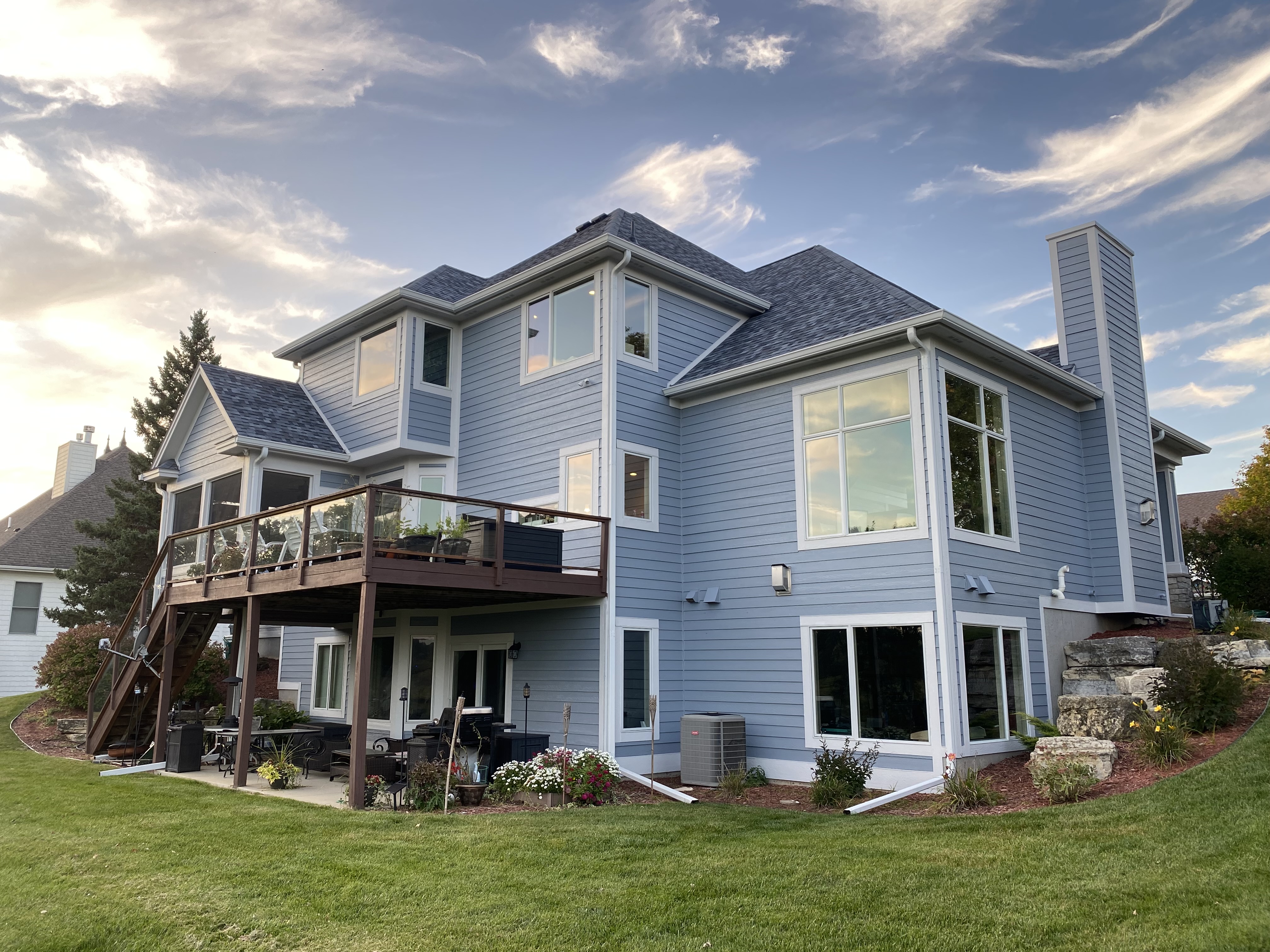
Painting Perfection: Expert Tips for Flawless Finish with Hughberts Feb 21, 2026
The first step to achieving painting excellence is thorough preparation. Proper prep work lays the foundation for a stunning result. Begin by inspecting the surfaces you plan to paint. Look for cracks, holes, or imperfections. Use spackle or filler to address these issues, ensuring a smooth surface before anything else. Sand the area lightly to level out any inconsistencies. Adequate prep work can save both time and hassle in the long run, enabling the paint to adhere properly and reducing the likelihood of peeling or chipping.
Choosing the right paint is another critical component of the process. Paint comes in various sheens and formulations, each suitable for different scenarios. For instance, high-traffic areas can benefit from durable, washable paint, while a flat finish might be better suited for ceilings and low-traffic spaces. Additionally, consider the impact of color; lighter hues can make a room feel expansive, while darker shades provide an intimate, cozy vibe.
Investing in appropriate tools and materials is as crucial as selecting the right paint. High-quality brushes and rollers can make a noticeable difference in application. For large flat surfaces, a roller with the correct nap is essential to applying paint evenly. For trims, doors, and corners, angled brushes provide the precision needed for a polished look. Moreover, using painter’s tape will help in harnessing clean lines and protecting surfaces that shouldn't be painted.
Now that preparation and materials are sorted, the painting technique becomes paramount. Many professionals recommend starting with a primer, especially if covering a dark wall with a lighter shade. Primer provides a base that enhances the paint’s adhesion and longevity. When applying paint, use even strokes. For walls, a ‘W’ pattern helps distribute paint uniformly on the surface. Multiple thin coats are generally better than a single thick one, as they prevent drips and ensure consistency.
Furthermore, timing can play a significant role in finishing your project efficiently. Aim to paint when the weather is mild and dry, as extreme temperatures and humidity can compromise the drying process and overall finish. Pay attention to the manufacturer’s instructions regarding drying times between coats to avoid unsightly blemishes.
Once the paint has dried completely, the final step is to inspect the work and make any necessary touch-ups. Assess the walls from different angles and lighting conditions to catch any missed spots or imperfections. If needed, a gentle hand with a fine brush can address these areas seamlessly.
At Hughberts Siding & Painting, we strive to bring your vision to life through meticulous attention to detail and professional expertise. Whether you’re refreshing a single room or reimagining your entire home, implementing these expert tips can ensure a flawless finish that stands the test of time. By prioritizing preparation, choosing quality materials, and applying meticulous techniques, achieving painting perfection becomes not just possible, but a reality. Let us guide you through the transformation, one brushstroke at a time.
/filters:no_upscale()/filters:format(webp)/media/c2071781-2e87-444a-a079-931ebc0f7201.jpeg)